















B2B Website Optimization Strategy: Speed, UX, SEO, and CRO in One Playbook



Today, high-ranking search results aren't enough. Modern websites must be lightning-fast, intuitive, and conversion-focused to turn visitors into customers.
Yet most website optimization advice tackles isolated elements, SEO here, speed there, while missing how these pieces work together. The result? Websites that rank well but fail to convert, or convert well but can't be found.
At ThunderClap, we've helped hundreds of leading SaaS brands transform their websites into high-performing growth engines by treating optimization holistically.
The secret isn't choosing between speed, user experience, conversion optimization, or SEO, it's integrating all four into one unified website optimization strategy.
Let’s see what that looks like.
What is a website optimization strategy?
While an overall website strategy focuses on design, growth and conversions, a website optimization strategy is a structured, ongoing approach to enhancing your site’s performance, value, and impact for both users and your business goals.
Typical guides on how to optimize a website zero in on search rankings and keywords. But what happens after a visitor finds your site? If your site is slow, awkward, or hard to navigate, you’ll lose them, no matter how strong your Google position.
Instead, leading organizations make optimization a four-part equation:
- SEO brings people in.
- Speed keeps them from bouncing.
- Great UX makes them stay longer.
- CRO turns them into customers.
Let’s dive deeper into the four pillars of website optimization.
4 Pillars of a website optimization strategy
1. SEO as the backbone - Ensuring discoverability
Modern SEO or AI Search is far beyond meta tags. Google now evaluates page speed, mobile usability, and even on-page engagement. SEO unlocks visibility for the right audience. But a holistic approach aligns it tightly with UX, speed, and CRO.
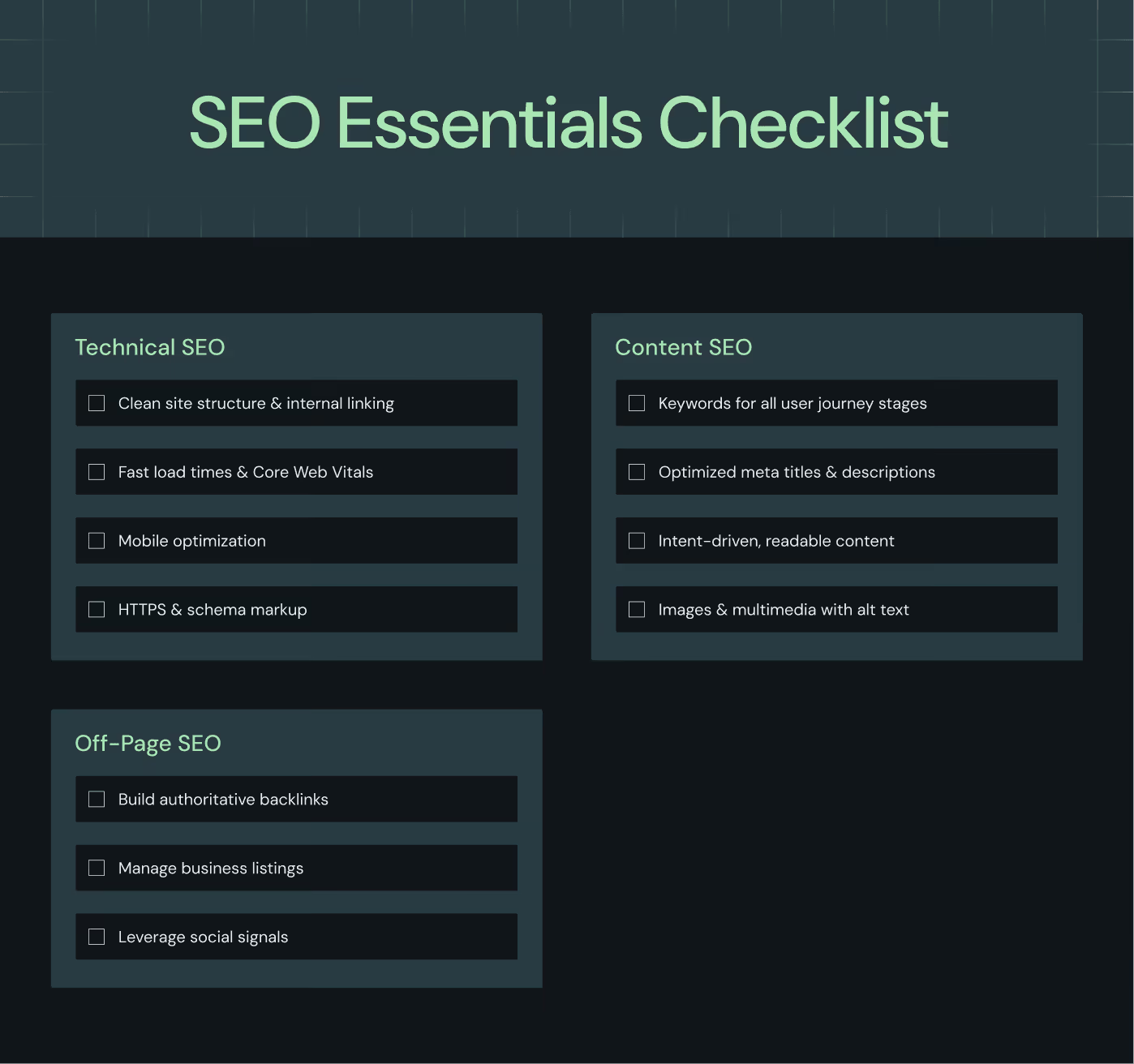
What are the SEO essentials?
- Content SEO
- Targeting topics and keywords that map to every stage of the user journey
- Optimized meta titles, descriptions, and header tags
- Intent-driven, well-formatted content that is easy for both users and search engines to read
- Consistent use of images, video, and multimedia elements (with alt attributes)
- Off-Page SEO
- Building authoritative backlinks naturally through valuable content and outreach
- Managing citations and business listings (especially for local SEO)
- Leveraging social signals to enhance brand reach and search performance
- Technical SEO
- Clean, crawlable site structures and intelligent internal linking
- Fast load times (Core Web Vitals: LCP, FID, CLS)
- Mobile optimization and responsive design
- Secure protocols (HTTPS) and structured data (schema markup)
Note📌: Your choice of CMS platform significantly impacts how easily you can implement these technical SEO requirements.
While traditional platforms like WordPress often require plugins, custom coding, and ongoing maintenance to achieve optimal technical SEO, modern platforms like Webflow handle many of these elements automatically—from clean HTML output to responsive design and SSL certificates.
Also read: Migrate from WordPress to Webflow: Step-by-Step Guide
How does SEO intersect with speed, UX, and CRO?
- Core web vitals: A major ranking factor, these metrics blend speed and usability. Faster, easier experiences both rank higher and convert more often.
- User intent & journey: Effective SEO aligns keywords and content with CRO-focused landing pages, turning organic traffic into engaged, converting users.
- Mobile optimization: Search engines reward truly mobile-friendly designs, which also deliver better UX and conversion rates.
How to do website SEO optimization?
- Audit with Google Search Console, Screaming Frog, and Core Web Vitals reports.
- Conduct content gap analyses to align SEO with user intent and key business objectives.
- Prioritize fixes and new content that can benefit both discoverability and engagement.
2. Website speed optimization - Reducing bounce
In B2B website optimization, slow or inconsistent sites are particularly costly, as they drive up bounce rates among high-value prospects and prompt negative reactions from both users and search engines. Every second counts: Amazon found that every 100ms of latency cost them 1% in sales.
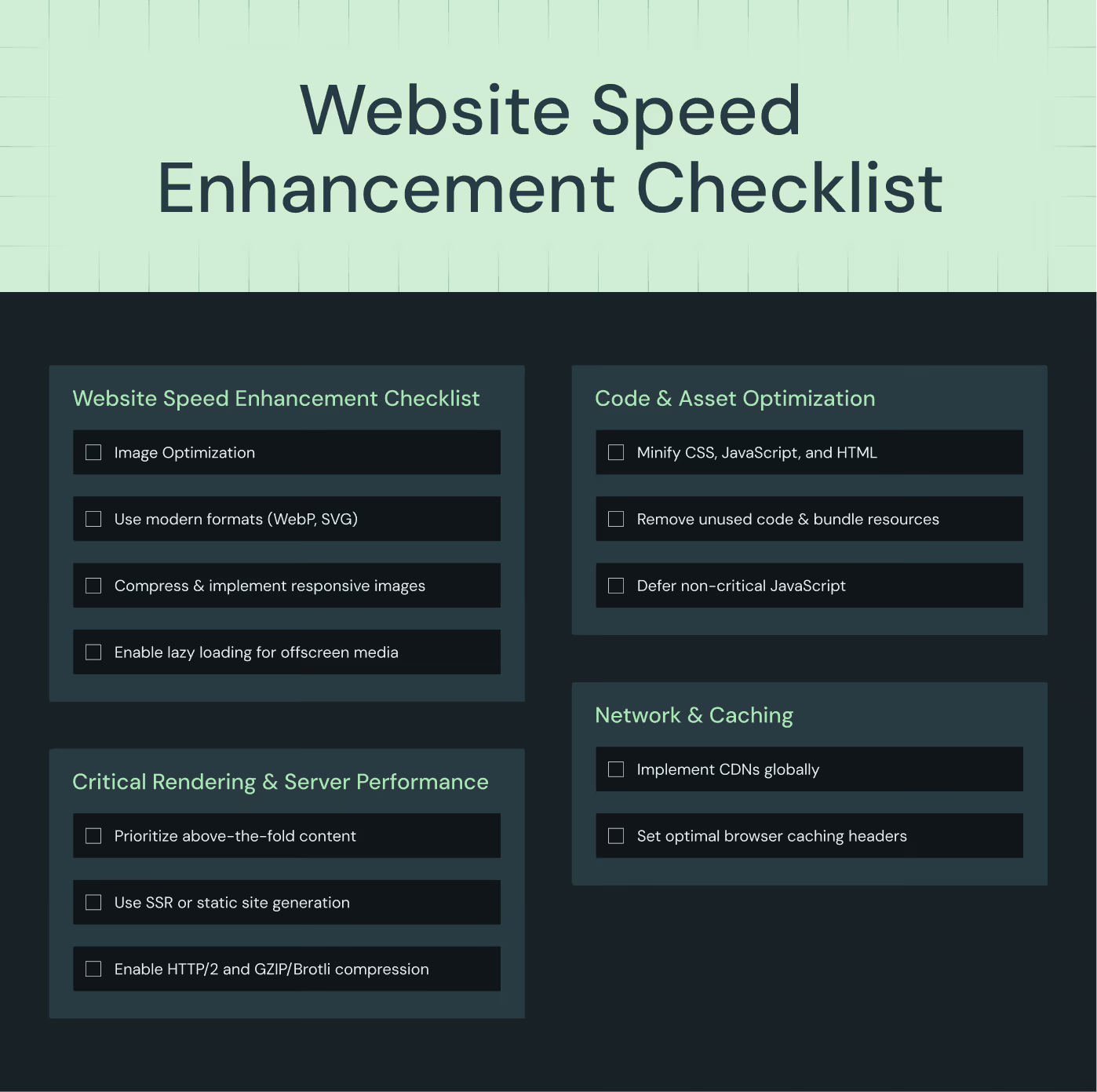
How to enhance website speed?
1. Image optimization
- Use modern file formats (WebP, SVG) when possible.
- Compress all images and implement responsive images for different devices.
- Employ lazy loading so offscreen media does not block first paint.
2. Code & asset optimization
- Minify CSS, JavaScript, and HTML files.
- Remove unused CSS and JS, and bundle resources to reduce HTTP requests.
- Defer parsing of JavaScript that does not impact the initial render.
3. Critical rendering path & server performance
- Prioritize above-the-fold content.
- Use server-side rendering (SSR) or static site generation for frequently accessed pages.
- Implement HTTP/2 or HTTP/3 and enable GZIP/Brotli compression.
4. Network & caching
- Use Content Delivery Network (CDNs) to serve assets closer to users globally.
- Set optimal browser caching headers for static resources.
How to measure website speed?
- Google PageSpeed Insights shows both lab data (potential) and field data (real users).
- Lighthouse (within Chrome DevTools) supplies actionable audits, performance budgets, and suggestions.
- GTmetrix allows you to visualize resource waterfalls, pinpointing bottlenecks and render-blocking assets.
- Monitor real user metrics with tools like New Relic, WebPageTest, or Cloudflare Analytics.
3. Website UX optimization - Engineering delight at every step
User experience determines how visitors perceive and interact with your brand.
Negative experiences, such as clunky navigation, non-obvious CTAs, inconsistent styles, erode trust faster than you can recover it.
In fact, Google explicitly considers site usability and mobile-friendliness as ranking factors.
Here are some B2B web design best practices you must consider:
What are the core elements of exceptional UX?
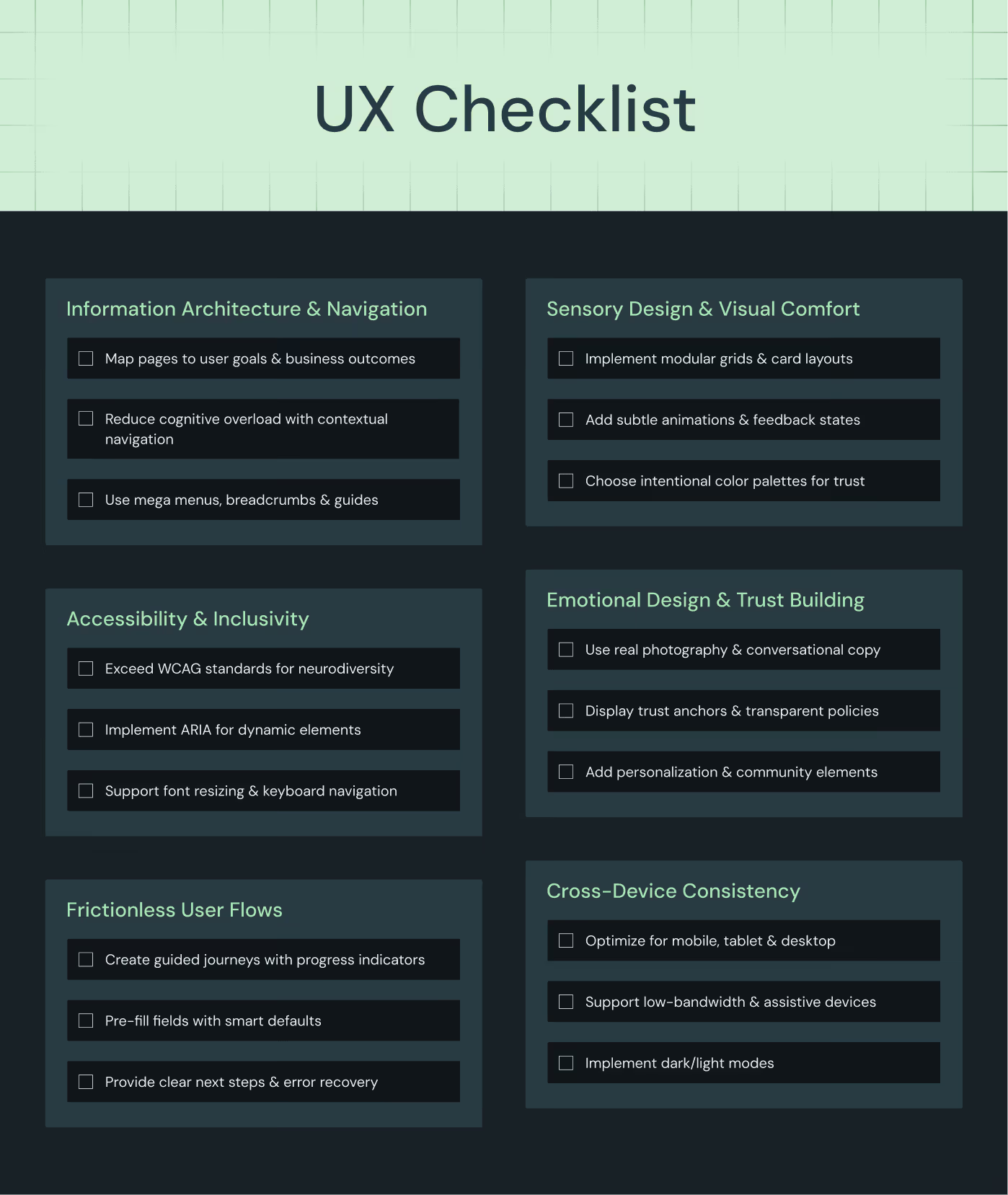
1. Advanced information architecture & navigation
- Every page and navigation path should be mapped to user goals and business outcomes.
- Show only what’s needed at each stage to reduce cognitive overload. Use mega menus, breadcrumbs, and contextual guides for deeper paths.
2. Sensory design & visual comfort
- Use modular grids, card layouts, and responsive scaling to make content skimmable and elements discoverable.
- Subtle animations and feedback—like button states, loading indicators, or confirmations—reduce uncertainty and make experiences feel modern.
- Select color palettes with intent, evoke trust, direct attention, and reinforce branding through deliberate color choices.
3. Accessibility & inclusivity
- Implement not just minimum WCAG standards, but also respect neurodiversity, language proficiency, and adaptive technologies.
- Implement Accessible Rich Internet Applications (ARIA). Assistive labeling for dynamic elements, real-time updates, and non-standard controls.
- Support font resizing, voice control, and keyboard navigation seamlessly.
4. Emotional design & trust building
- Use language and visuals to create an emotional connection. Employ real photography, conversational copy, and authenticity.
- Deploy trust anchors like prominent privacy reassurances, visible support options, and transparent policies.
- Employ personalization, use of familiar flows, and highlighting community (such as user avatars or testimonials) to foster connection.
5. Frictionless user flows
- Offer guided journeys with step-by-step flows (e.g., onboarding, checkout) with visual progress indicators.
- Predict user needs with pre-filled fields, smart defaults, and contextual help.
- Always offer next steps, related content, or a means to recover from errors or abandonment.
6. Cross-Device & environmental consistency
- Use device-specific gestures, input modes, and layouts for mobile, tablet, and desktop.
- Optimize for low-bandwidth, high-latency, or assistive devices. Minimize layout shifts and input lag.
- Consider lighting modes (dark/light) and variable screen sizes.
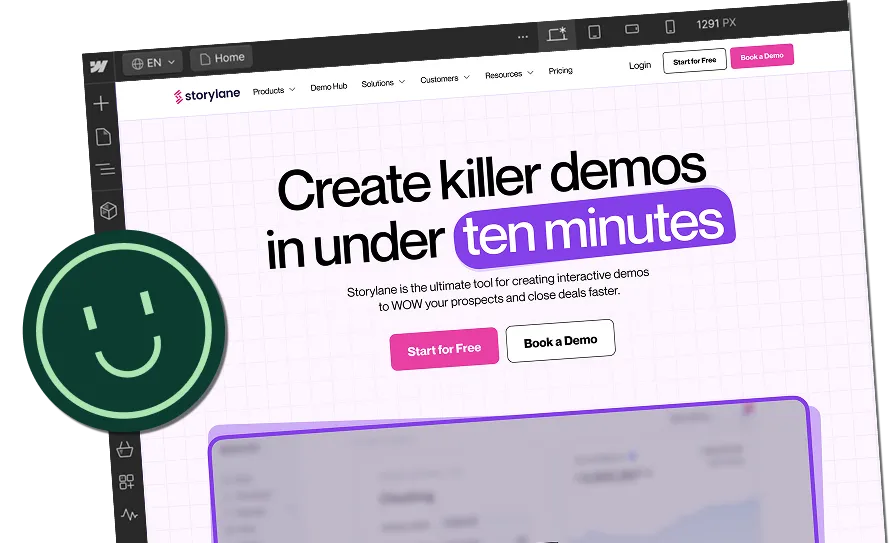
The good news? These UX elements are much simpler to execute with platforms like Webflow, where you can build responsive designs and smooth interactions without getting bogged down in complex development.
This is why we exclusively work with Webflow to give our clients the polished, creative, and conversion-focused websites they desire.
Check out some of our recent work.
How to monitor user experience?
- Heatmaps and scroll maps reveal where most users focus or abandon.
- Session recordings expose confusing interactions or blockers.
- User feedback via NPS, pop-up surveys, or onsite widgets inform prioritization.
- Scheduled usability tests (remote or in-person) to validate redesigns and new functionality.
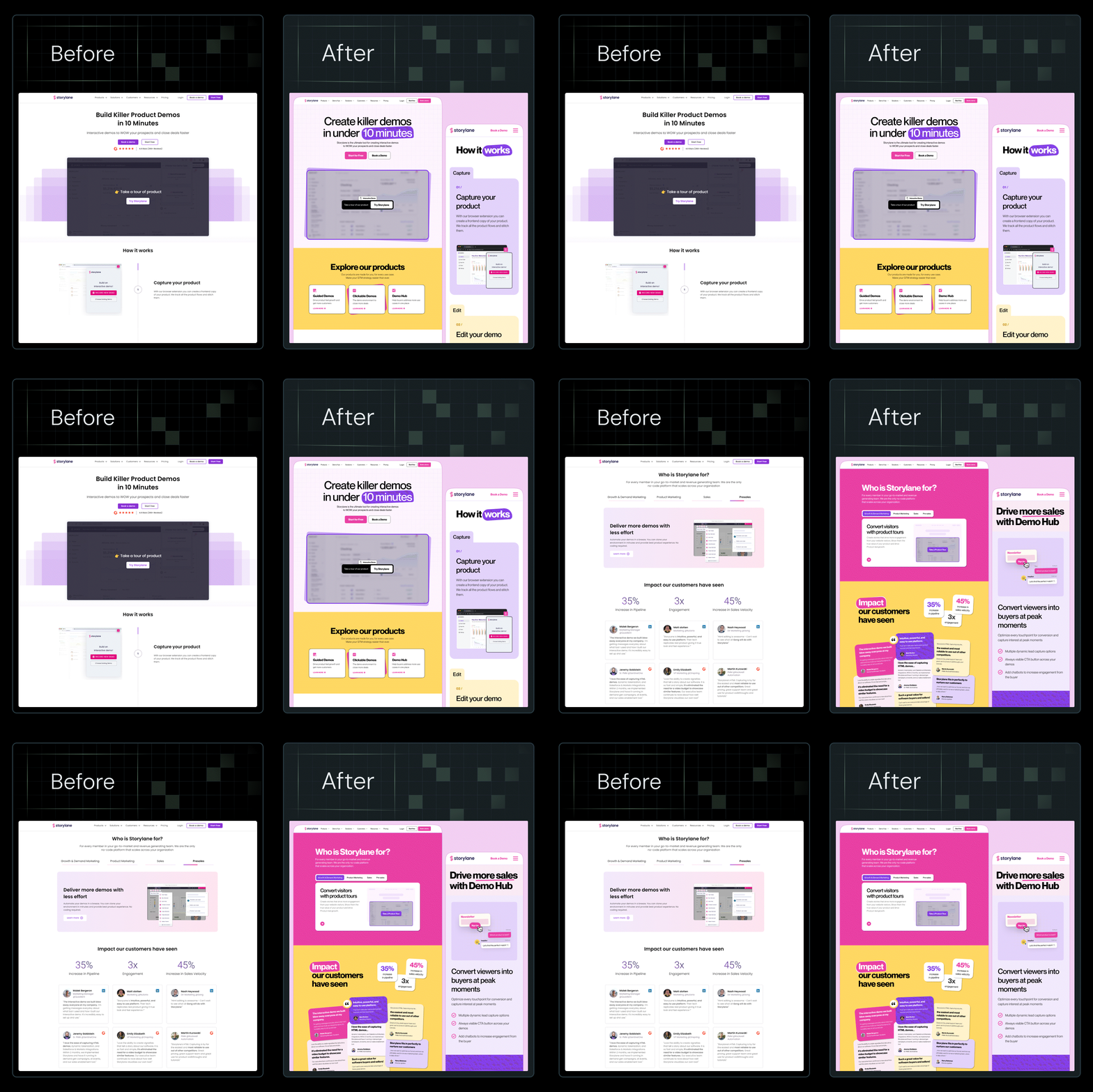
How this looks in practice: When we worked with ClearlyRated, their website had significant UX friction points: users were spending only 14-15 seconds on pages, multiple conflicting CTAs (book demo vs. pricing) were creating decision paralysis, and critical social proof was buried on secondary pages.
We analyzed their website structure, Google Analytics data, and competitor benchmarks and discovered that key pages like "How it Works" were getting minimal traffic, while award registration forms were distracting users year-round despite being relevant only in February.
We streamlined the user experience by consolidating CTAs, redistributing social proof and testimonials across high-traffic pages, implementing sticky navigation, and strategically timing seasonal content.
The result was dramatically improved user engagement and clearer conversion paths that aligned with actual user behavior patterns.
4. Website Conversion Rate Optimization (CRO) - Turning Visitors into Customers
CRO is how you maximize return on every hard-won visitor.
It starts with understanding your audience using analytics and behavioral data to map their journey.
What are some effective CRO elements?
CRO is how you maximize return on every hard-won visitor.
It starts with understanding your audience using analytics and behavioral data to map their journey.
What are some effective CRO elements?
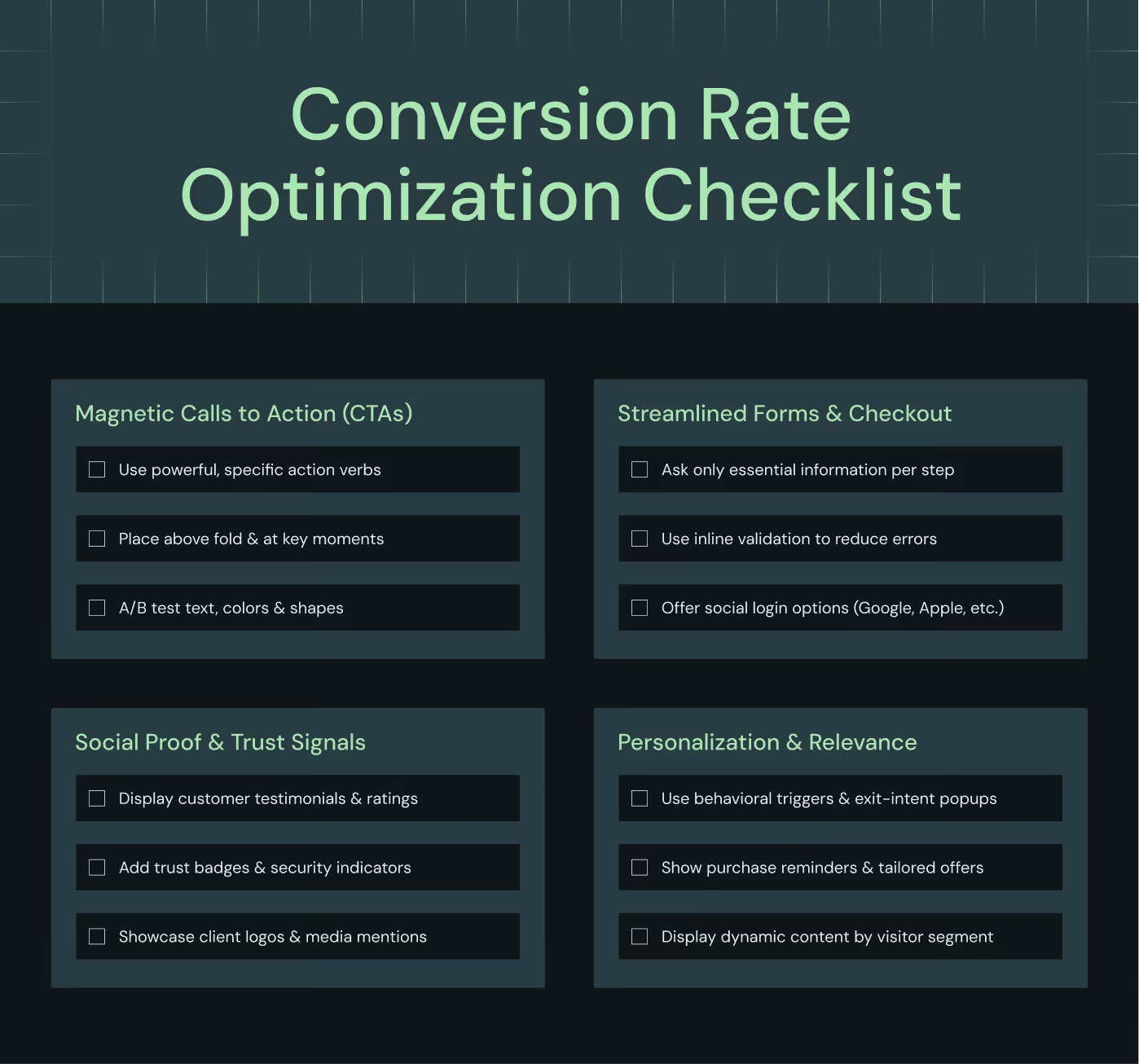
1. Magnetic calls to action (CTAs)
- Buttons that stand out visually and use powerful, specific verbs.
- Placed both above the fold and at key moments throughout long-form pages.
- A/B test CTA text, colors, and shape.
2. Streamlined forms and checkout
- Only ask for essential information at each step; break up complex forms.
- Use inline validation to reduce user errors and frustration.
- Offer sign-in with Google, Facebook, or Apple ID for ease.
3. Social proof and trust signals
- Customer testimonials, case studies, and star ratings build credibility.
- Trust badges (SSL, payment security, satisfaction guarantees).
- Prominently display client logos or media mentions.
4. Personalization and relevance
- Use behavioral triggers (exit-intent popups, smart banners).
- Display recent purchase reminders or tailored offer codes.
- Dynamic content based on visitor segment, location, or previous activity.
How to optimize a website for conversions?
- Structured A/B and multivariate tests using CRO tools like VWO, Optimizely, etc.
- Start with high-impact pages such as landing pages, pricing, and checkout.
- Review results regularly and only iterate with statistically significant findings.
- Create a testing roadmap: hypothesis, variant creation, roll-out, review, then iterate.
{{specficBlog}}
How to build a unified website optimization strategy: The ThunderClap approach
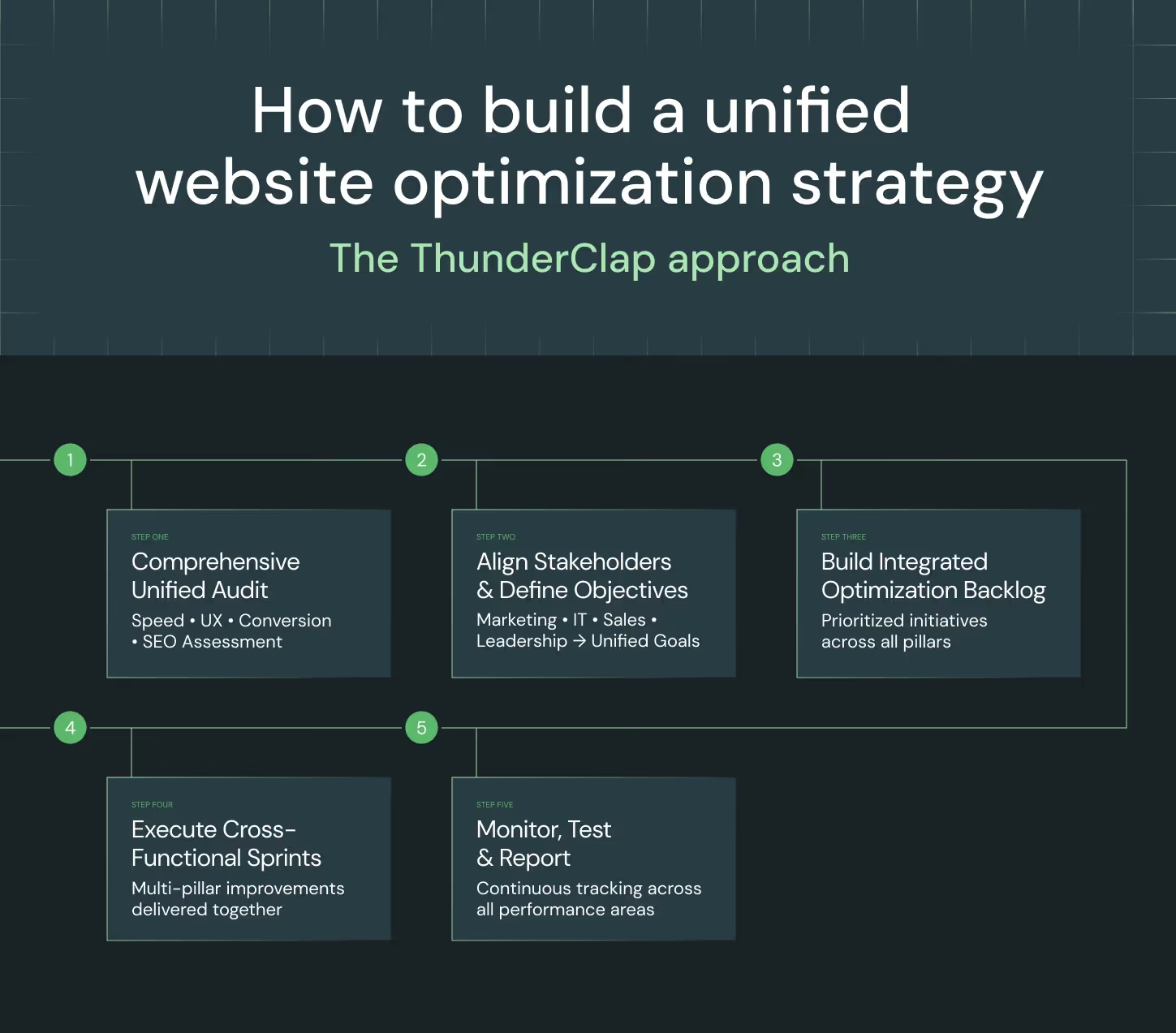
At ThunderClap, we know website optimization is so much more than ticking off a checklist in silos.
True, lasting results come when speed, user experience, conversion goals, and discoverability are tackled together.
The process below is a peek into the exact strategy we follow while optimizing client websites.
1. We start with a comprehensive, unified audit
Every client engagement begins with a 360-degree website audit.
- We assess technical speed, diagnosing load times, Core Web Vitals, and backend performance.
- Our team evaluates user experience, mapping the full visitor journey, navigation flow, content clarity, accessibility, and design consistency.
- We analyze conversion points—forms, funnels, CTAs—to identify and prioritize CRO opportunities.
By conducting this all-in-one assessment, we reveal where improvements in one area can boost results across multiple pillars, providing a strategic, prioritized roadmap for your unique business goals.
2. We align stakeholders and define shared objectives
We work closely with client teams to establish KPIs that drive real business value.
- Our onboarding process brings together decision-makers from marketing, IT, sales, and executive leadership, ensuring all priorities and success metrics are clear.
- We focus on unified objectives like maximizing qualified leads, reducing bounce rates, and boosting organic visibility, so everyone is invested in performance across the board.
{{ctaBlock}}
3. We build and manage an integrated optimization backlog
From the audit, our experts create a living optimization backlog:
- We sum up, score, and prioritize initiatives that deliver measurable impact in speed, UX, CRO, and search.
- Clients see a clear, transparent timeline of action items, with owners assigned from both our agency team and your organization as needed.
4. We execute in cross-functional sprints
Our agency team delivers optimization in focused sprints:
- Each sprint bundles tasks that affect multiple pillars like revamping a landing page for faster load time, seamless navigation, and better conversions all at once.
- Developers, designers, marketers, and CRO specialists collaborate to produce improvements that are greater than the sum of their parts.
5. We monitor, test, and report across all pillars
We don’t “set and forget.”
- After each sprint, we rigorously monitor key performance indicators using data from Google Analytics, heatmaps, user recordings, and Core Web Vitals dashboards.
- Every major change is paired with A/B or multivariate testing and clear before-and-after reporting, so our clients understand the true business impact.
Curious what this unified optimization could do for your website? Let’s talk.



.webp)
Browse Similar Articles





Leading 5 SaaS Branding Agencies in Florida (That Actually Understand SaaS Growth)

.svg)


How to Turn Your B2B Website into a Self-Serve Growth Engine? (PLG Ready in 2026)


9-Step Website Copy Audit Checklist to Improve Conversions (Examples from Top B2B Brands)

.webp)

How to Choose the Right Fintech Web Development Company for Your Business

Top B2B Website Design Principles That Turn Visitors into Qualified Leads

%20Audit%20That%20Actually%20Improves%20Revenue.webp)
How to Do a Conversion Rate Optimization (CRO) Audit That Actually Improves Revenue
Web Design Agency vs. Freelancer vs. In-House: What Actually Works in 2026
5 CRO Agencies in London and How to Choose the Best CRO Agency for Your Business

The Ultimate Fintech B2B Positioning Guide for 2026 (That Actually Drives Conversions)
Mapping the B2B Buyer Journey to Improve Conversions Across Every Touchpoint
.webp)
7 Best Website Maintenance Companies in India for Growth-Led B2B Teams (2026)


.webp)


8 Best Healthcare Website Design Agencies for HIPAA-Compliant Sites in 2026



How to Find the Best Web Design Company in Houston, Texas for B2B Brands (6 Best Picks)

Positioning That Wins: How to Make Complex B2B Products Clear and Compelling
The Step-by-Step Website Redesign Process B2B Teams Use to Increase Conversions (Without Killing SEO and Pipeline)

7 Best Video Production Agencies for SaaS Product Walkthroughs and Feature Videos


How to Choose the Best B2B Website Maintenance Company: 9 Questions to Ask Before You Hire One





How to Choose a Web Design Company in San Francisco in 2026 (with Examples)

10 Best Web Design Companies in Florida in 2026 and How to Choose the Right One

How to Use Brand Storytelling on Your Website to Close More B2B Deals and Build Buyer Trust

SaaS CRO Best Practices: What High-Growth Brands Do Differently to Win Conversions


How a Rebranding Agency Can Redefine Your B2B SaaS Identity and Boost Pipeline


B2B Marketing Trends in 2026 That Directly Influence Pipeline and Revenue

Top 7 Video Marketing Agencies Driving B2B SaaS Brand Awareness in 2026

Why Partnering with a B2B Brand Positioning Agency Accelerates Market Differentiation

The Complete Website Redesign Checklist for B2B SaaS Teams Ready to Scale
.avif)
9 Best Webflow Development Agencies in India for 2026 (In-Depth Review)

10 Product Marketing Companies Powering the Fastest-Growing SaaS Brands in 2026
Website Copywriting Services vs In-House: What's Right for Your Business?


How to Choose a Marketing Agency That Understands B2B SaaS Growth Metrics


How to Choose a Video Marketing Agency That Understands B2B Storytelling

Outsourcing Web Design: Cost-Benefit Analysis for Mid-Market & Enterprise Brands

From Leads to Lifetime Value: How Growth Marketing Agencies Scale SaaS Revenue

Build a B2B Website Strategy That Aligns with Sales and Marketing Goals

Webflow vs WordPress: Which Platform Is Better for Your Business Website in 2026?

Fintech Web Design That Builds Trust: 8 UX Principles Every Fintech Site Needs

Optimizing for Intent: How B2B Website Messaging and UX Changes Help Capture Top-Funnel Buyers



12 Best B2B Web Development Agencies in the US to Build Scalable Websites

From Audit to Action: 8-Step Process to Optimize Your B2B Website Strategy for 2026 Buyers


How to Design a High-Converting Landing Page from Scratch (2026 Edition)

From Click to Customer: Proven Landing Page Conversion Optimization Techniques

How to Write Website Copy That Converts: A Step-by-Step Guide for 2026


How to Optimize a Landing Page for Maximum ROI: A Step-by-Step Breakdown


AI Landing Pages That Convert: 7 Design Principles Every AI Platform Should Follow
From Traffic to Pipeline: B2B Website Growth Strategy for Scaling Teams





Interested in seeing what we can do for your website?



.webp)
